Hello dear friends, it’s been a while – this has been a year of traveling! Writing this as I’m on vacation in Spain right now, frolicking, and finally feeling the urge to write about the trivial, genuine pleasures of life.
To everyone who asks where’s my favorite place to travel, some cities like Kyoto and London will always be close to my heart. But China—vast, manifold, inexpressible—is unlike any other. It begs to be rediscovered, every inch of its land defying easy comprehension. The big cities are stunning displays of futurism and modernity, but inland cities like Dunhuang, Yunnan, and Chengdu feel like another time and place—marked by different dynasties, ruled by different ethnic groups, replete with diverse cultures, and bearing witness to wide-ranging arcs of histories, from the violent to the glorious. The country sometimes feels like a hundred nations packed into one (and indeed at a point in history it was like that).
In August, I visited Shanxi province for the first time. When one thinks of China’s history, the usual suspects immediately come to mind: Beijing (Forbidden City), Xi’an (Terracotta Warriors), maybe Hangzhou (West Lake). But nestled in the northern part of China, where the Middle Kingdom used to border aggressive nomadic tribes, is Shanxi—a backwater province better known in modern times for its coal production.
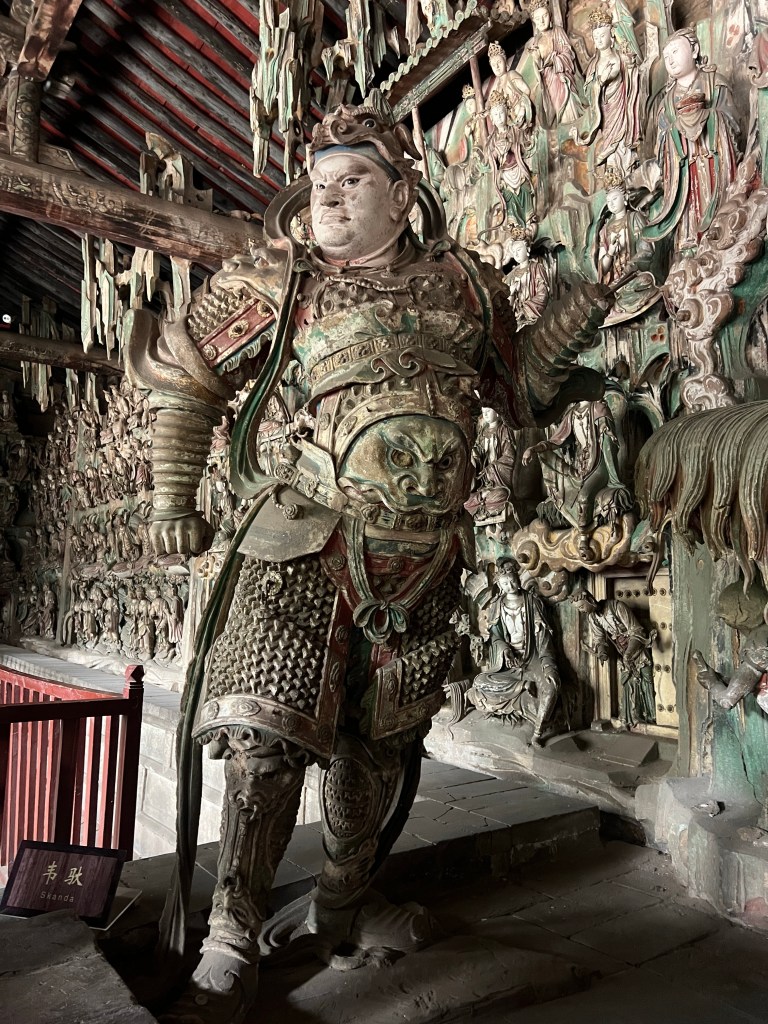
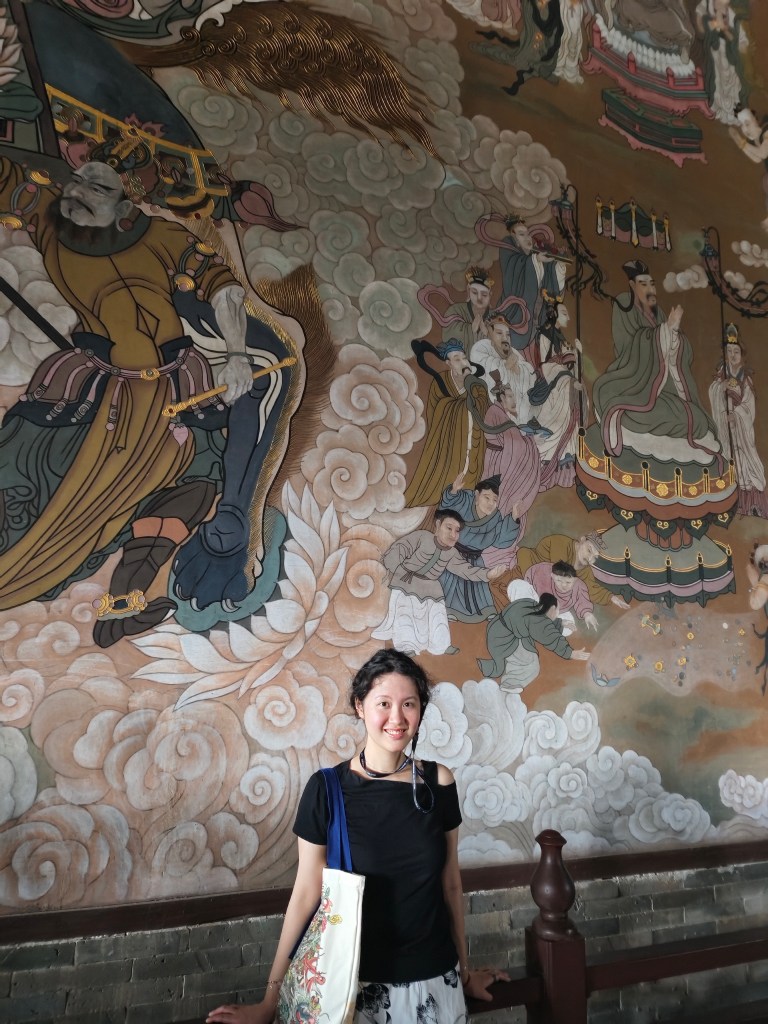
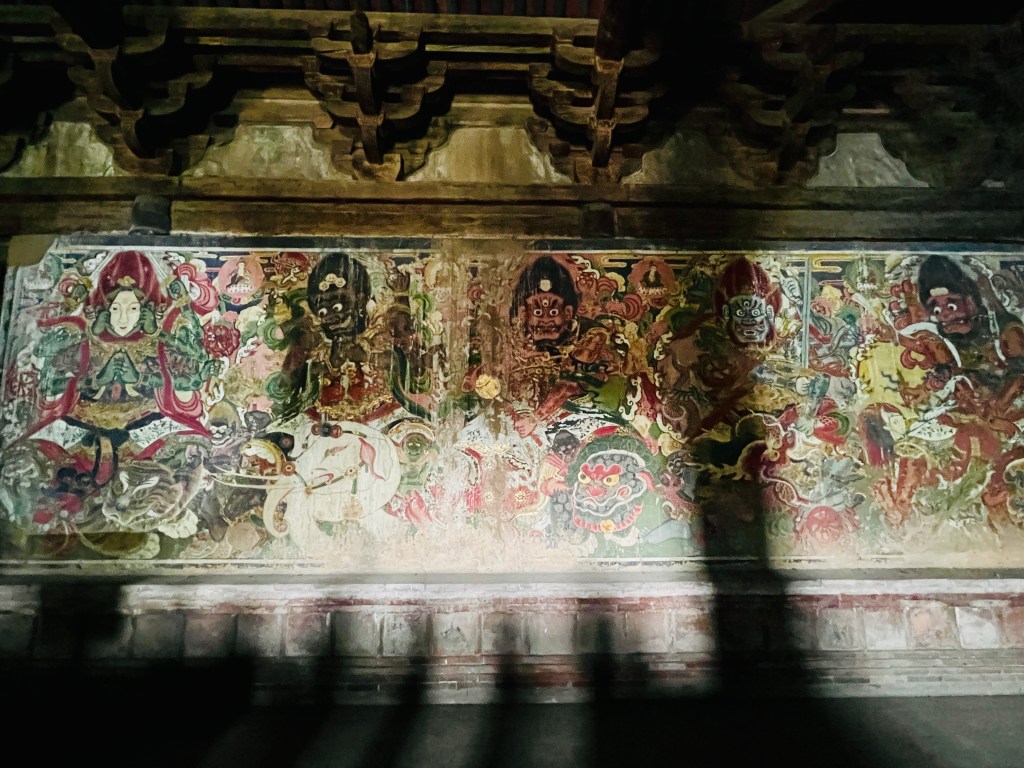
Over a week in four different cities and townships in Shanxi, I found some of the most incredible temples and breathtaking art I’d ever seen. Truly unparalleled. 所谓地上山西,地下陕西, Shanxi is such an underrated gem. Don’t sleep on it. Please visit at least once in your lifetime.
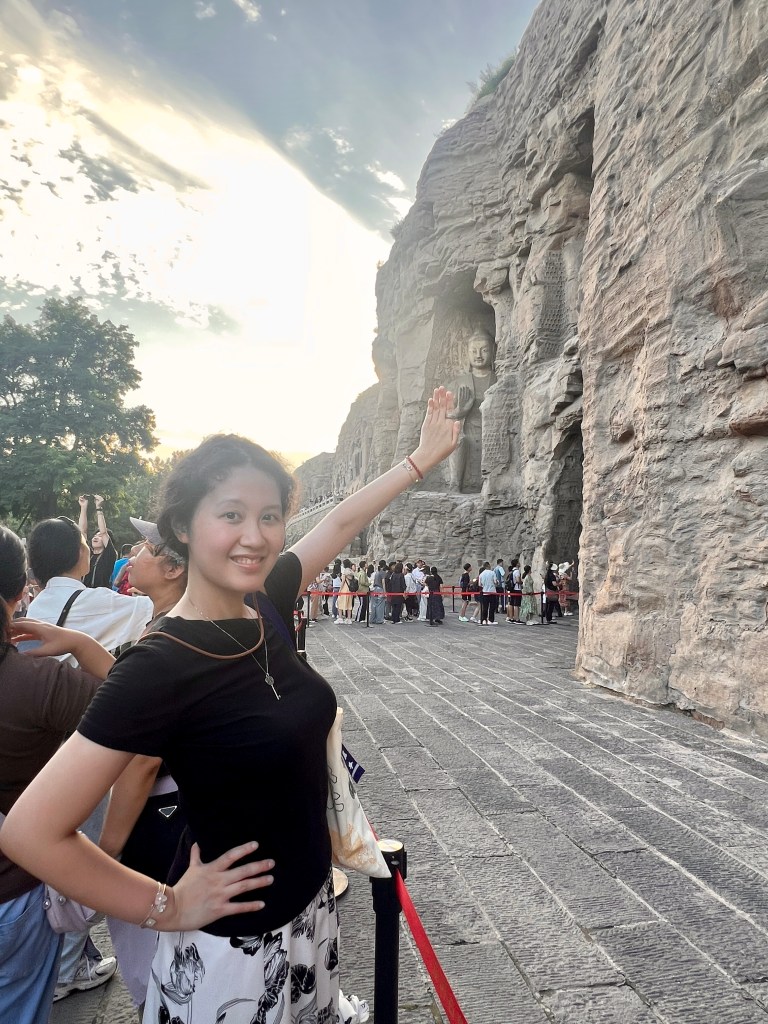
My favorite are the Yungang Grottoes, which are Buddhist temple caves carved in the fifth and sixth centuries by the Turkic-speaking Tuoba clan who ruled during the Northern Wei dynasty (and centuries later embellished by the Liao and Qing dynasties). With our guide, I only went into a dozen out of hundreds of caves, but take a look below at the sheer variety and scale—from tiny centimeter-tall Buddha motifs dotting the walls to giant 17-meter Buddha statues towering over all of us. The caverns have ironically preserved most of the pigment of the frescoes. The awe I felt, standing at the foot of these sculptures, must’ve been akin to what those a thousand years ago. Wonder transcends time.
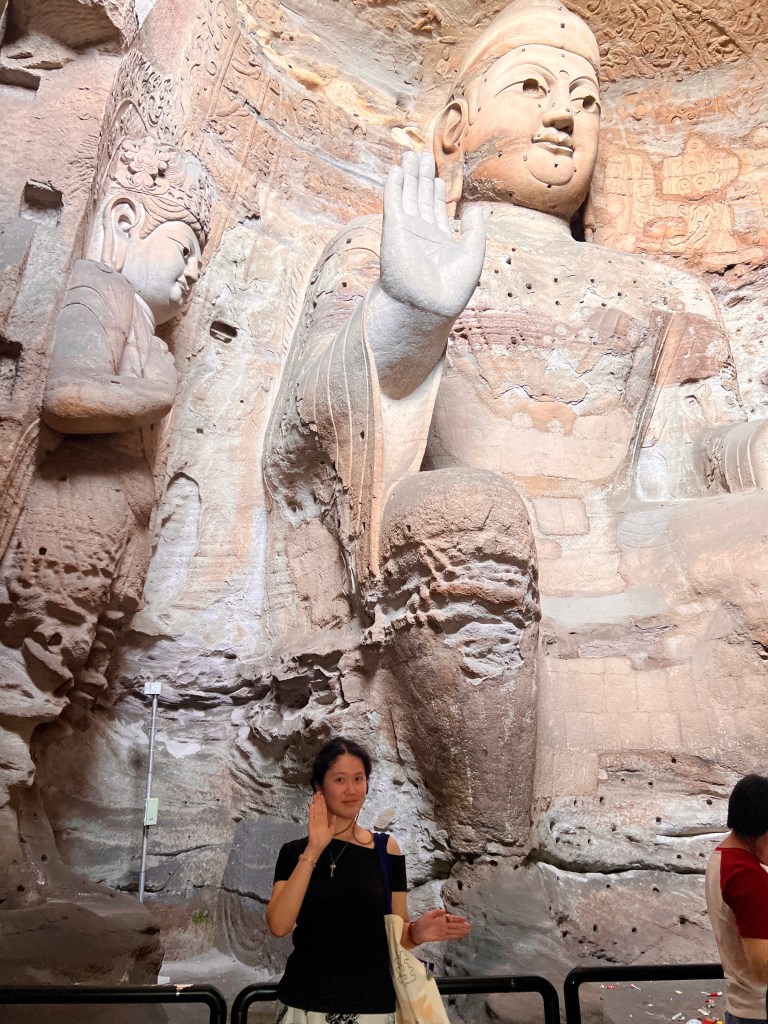
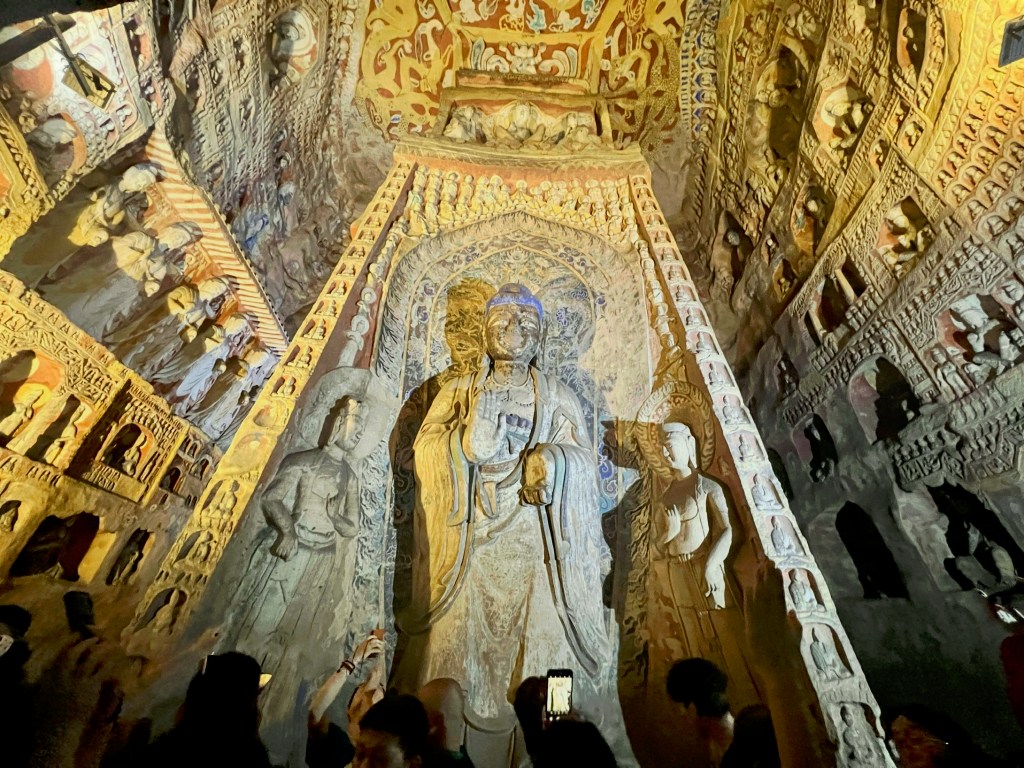
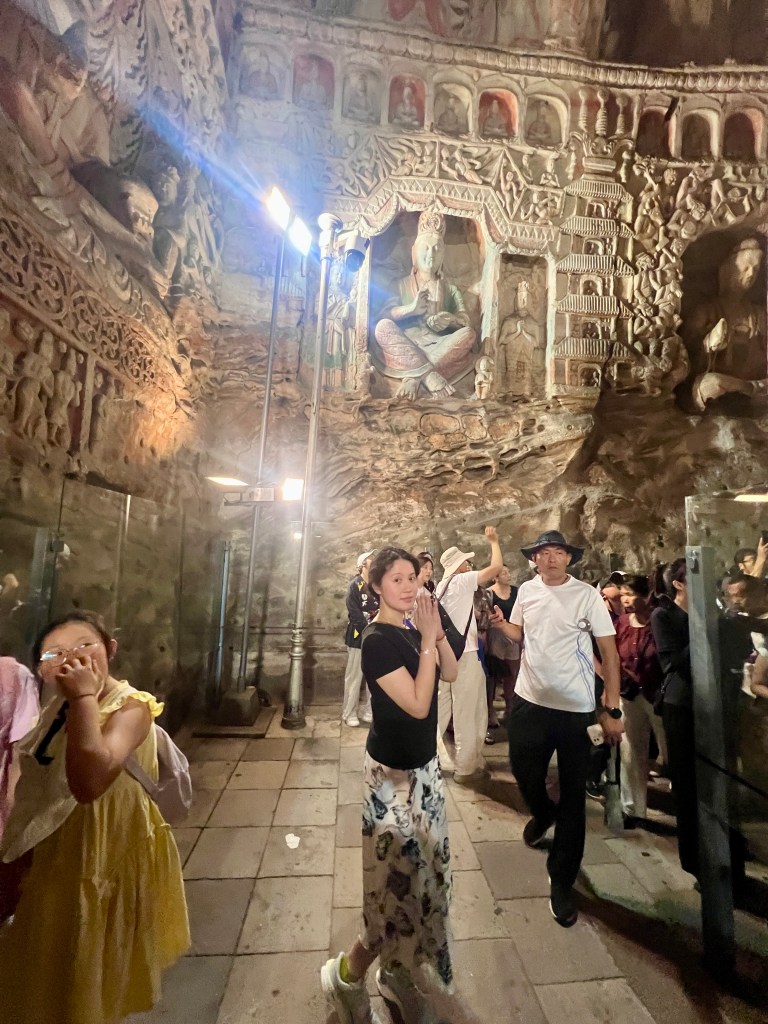
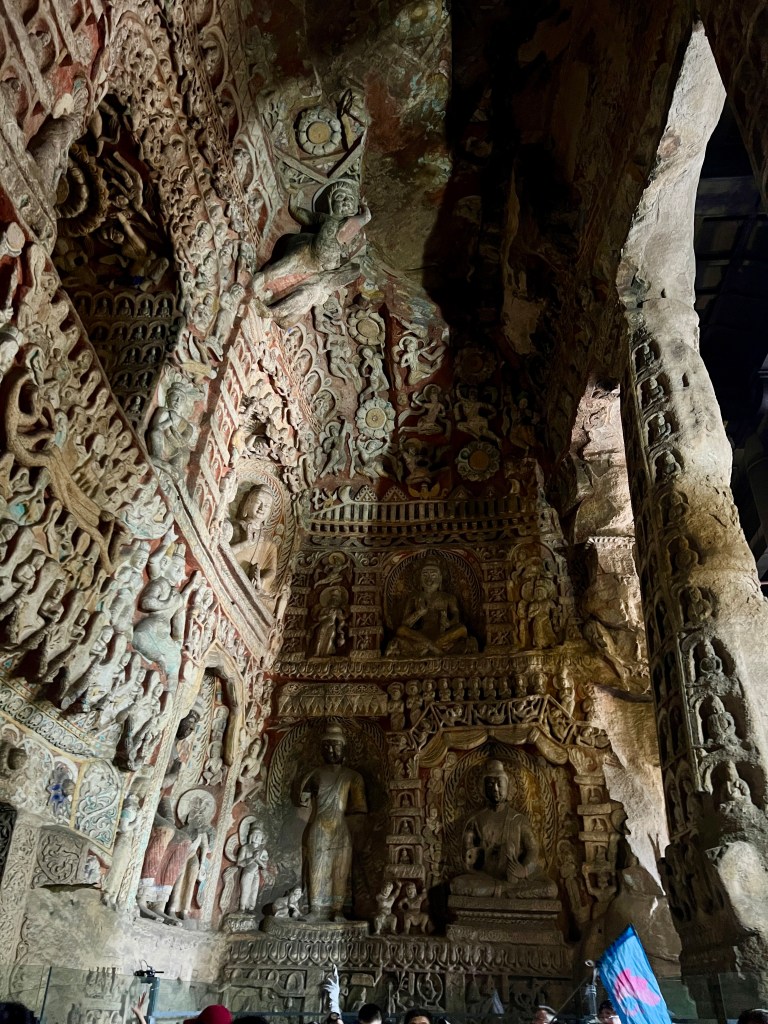
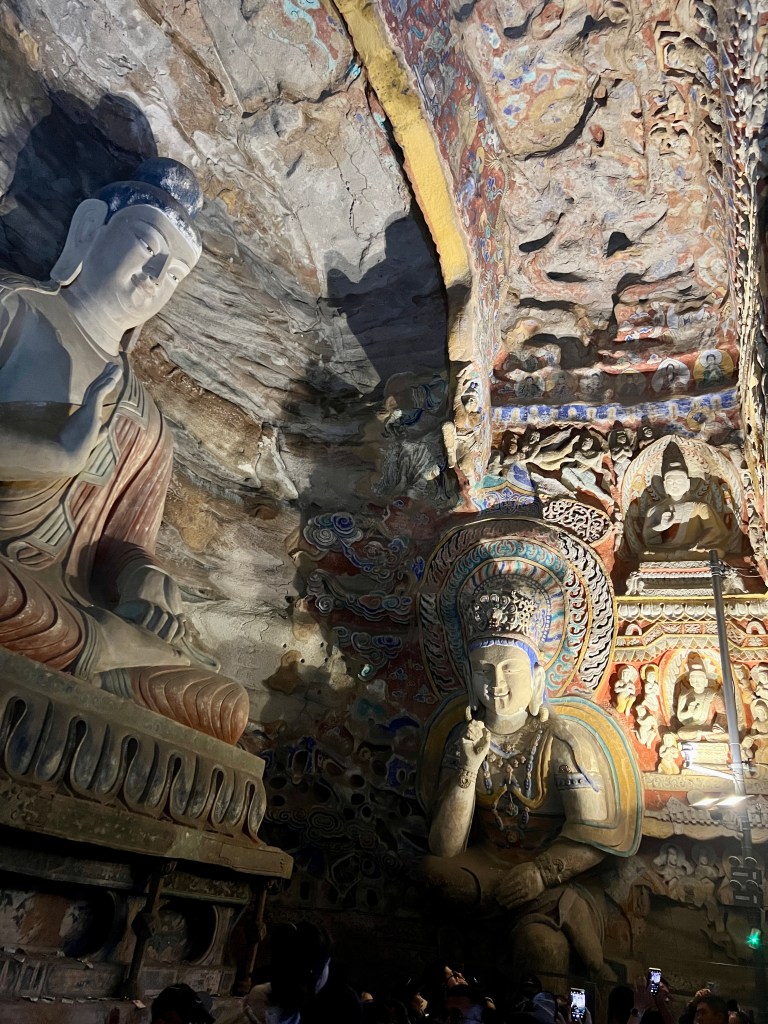
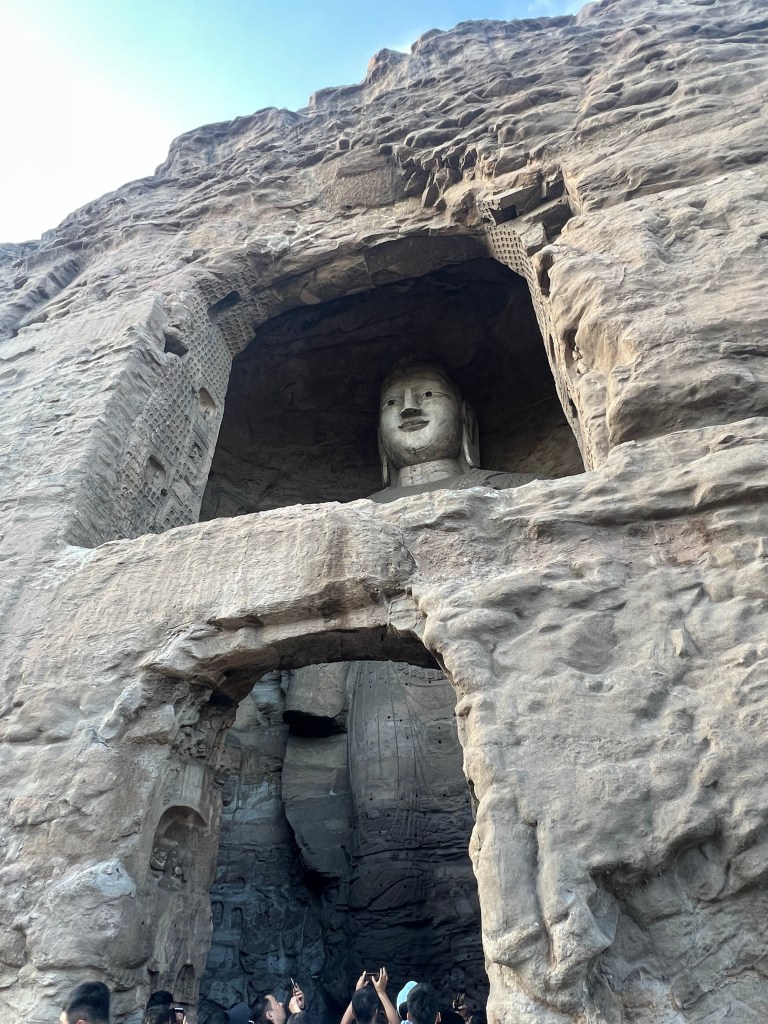
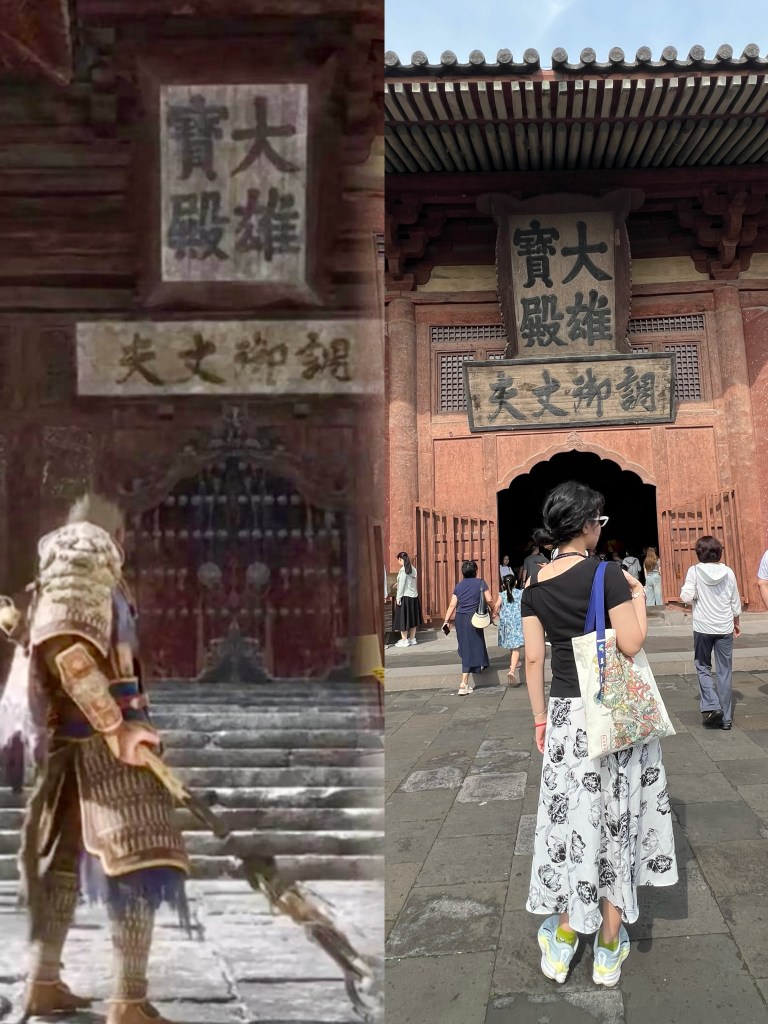
The province is now experiencing a tourism renaissance. Everywhere we went, we saw cardboard cutouts of the Monkey King, star of the blockbuster Chinese video game “Black Myth: Wukong”—the first-ever Triple A video game made by a Chinese game studio. Most of the historical places featured in the game are from Shanxi.
One such site is the Hanging Temple, a fifth-century temple clinging into the cliffside, 75 meters above ground. We had to climb up and down (occasionally on all fours) through narrow stairwells and a maze of passageways. It’s the closest I’ll probably ever feel to being in a temple in the clouds. We went past rooms that displayed deities from all three religions—Confucianism, Taoism, and Buddhism—side by side.
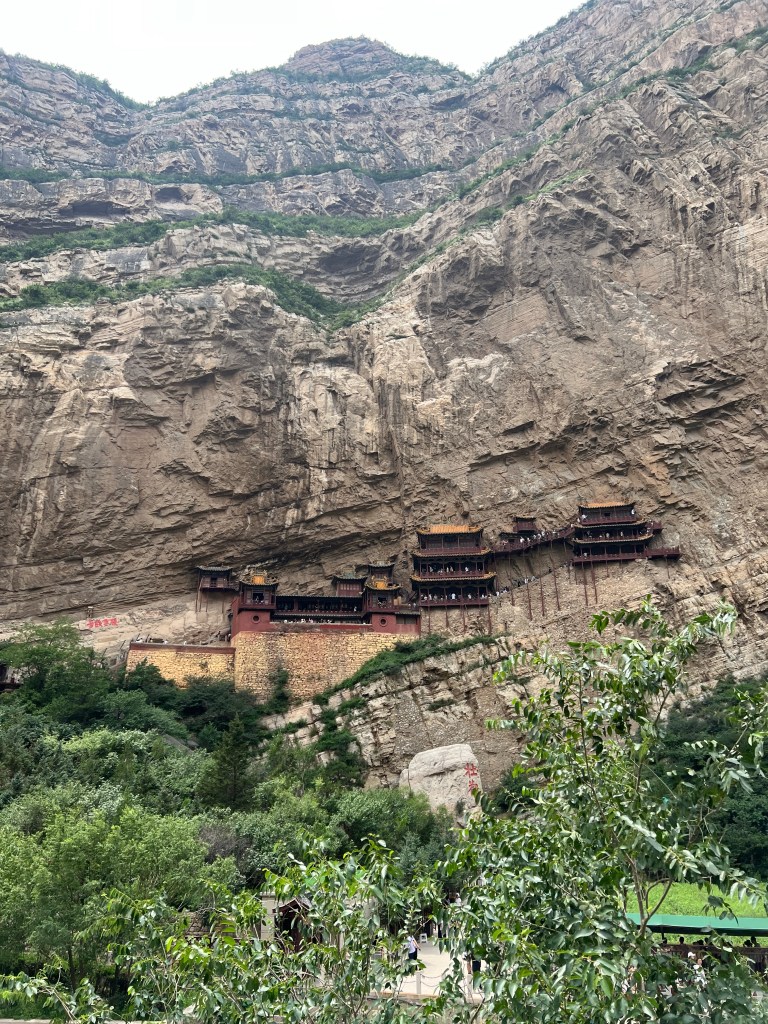
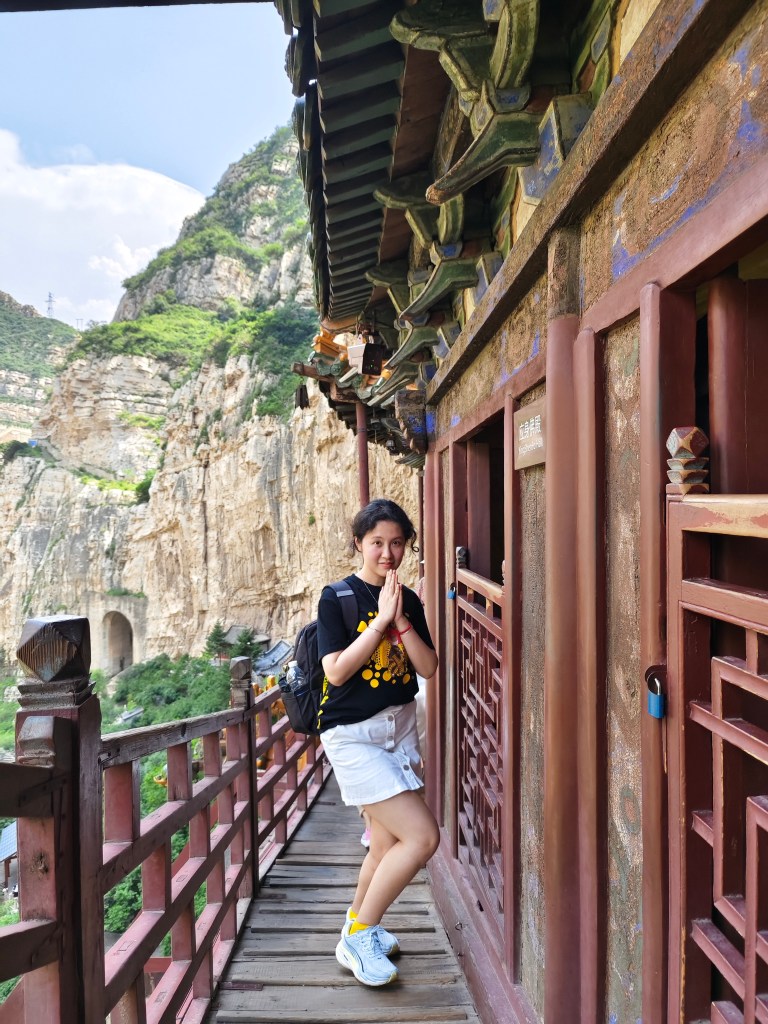

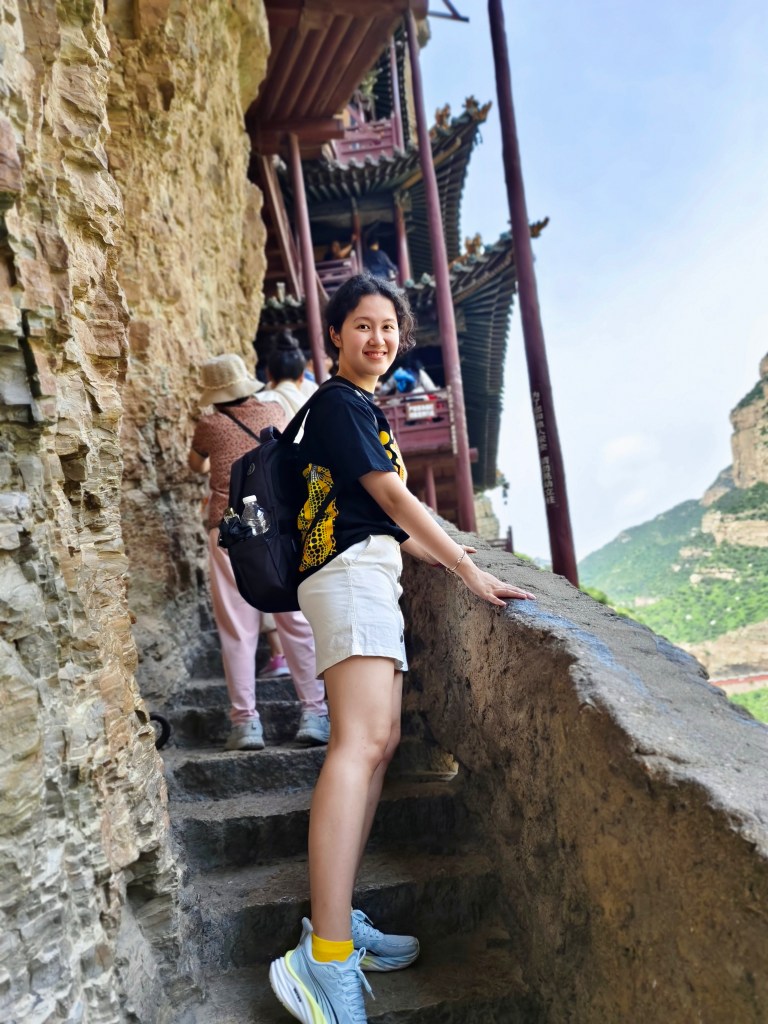
During my trip I couldn’t help but ask, Why was Shanxi so less well-known internationally? The treasures and architectural marvels I witnessed were remarkable. Aside from all the economic reasons, I think part of it’s because Shanxi was mostly ruled by northern invaders, including the Jin, Xianbei, and Qidan ethnic groups, during the nadir of Han Chinese power — dynasties less covered in history textbooks and given less airtime in mainstream media. I’d barely heard anything about the Liao dynasty, despite its 200+ years of longevity—nearly equivalent to the Tang. That’s unlike tourist hotspots like Xi’an (home to the Terracotta Warriors), which has long been celebrated as the seat of the golden era in Han Chinese culture.
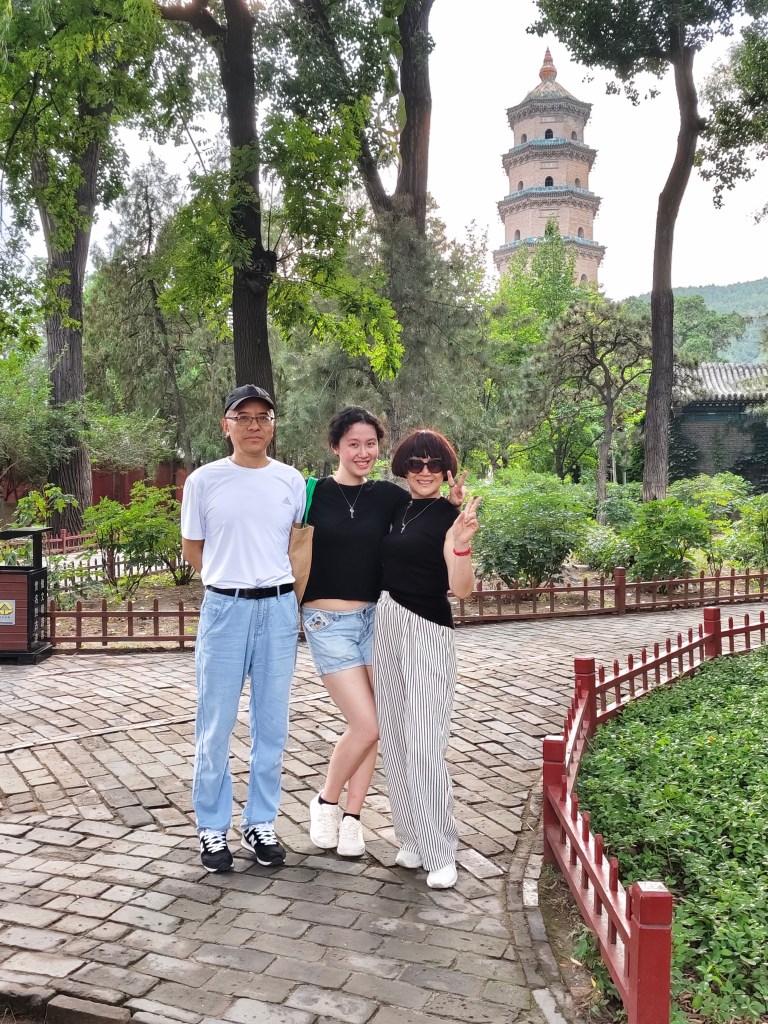
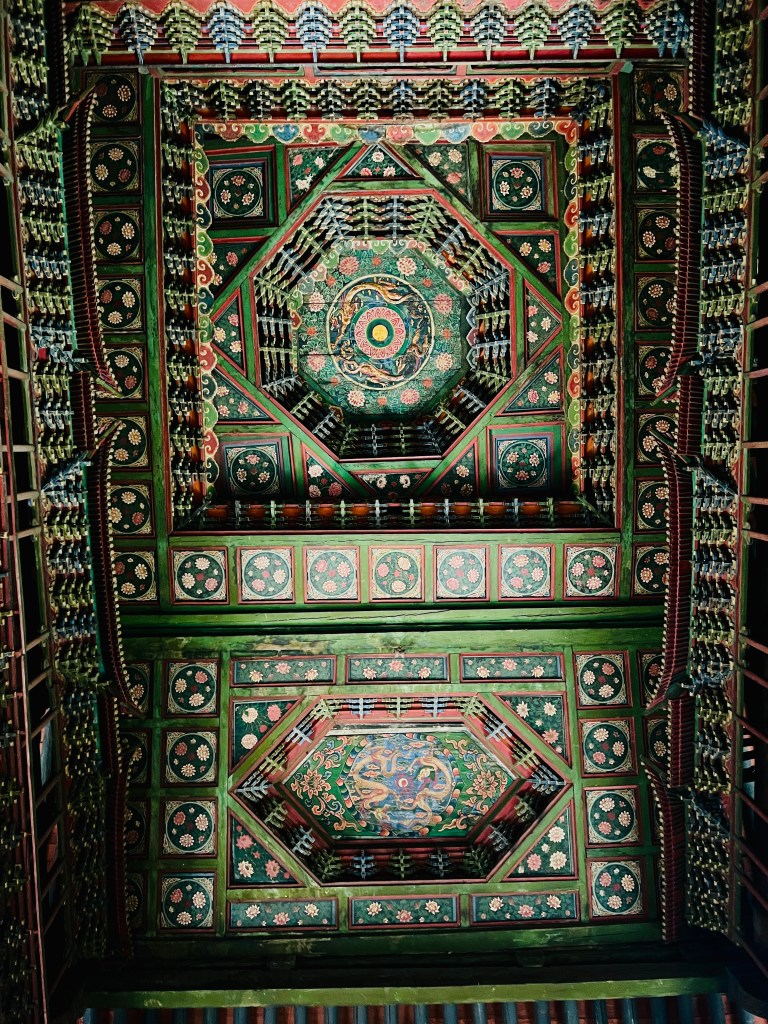
I leave you with some final pics ૮ ˶ᵔ ᵕ ᵔ˶ ა
 Selina Xu
Leave a comment