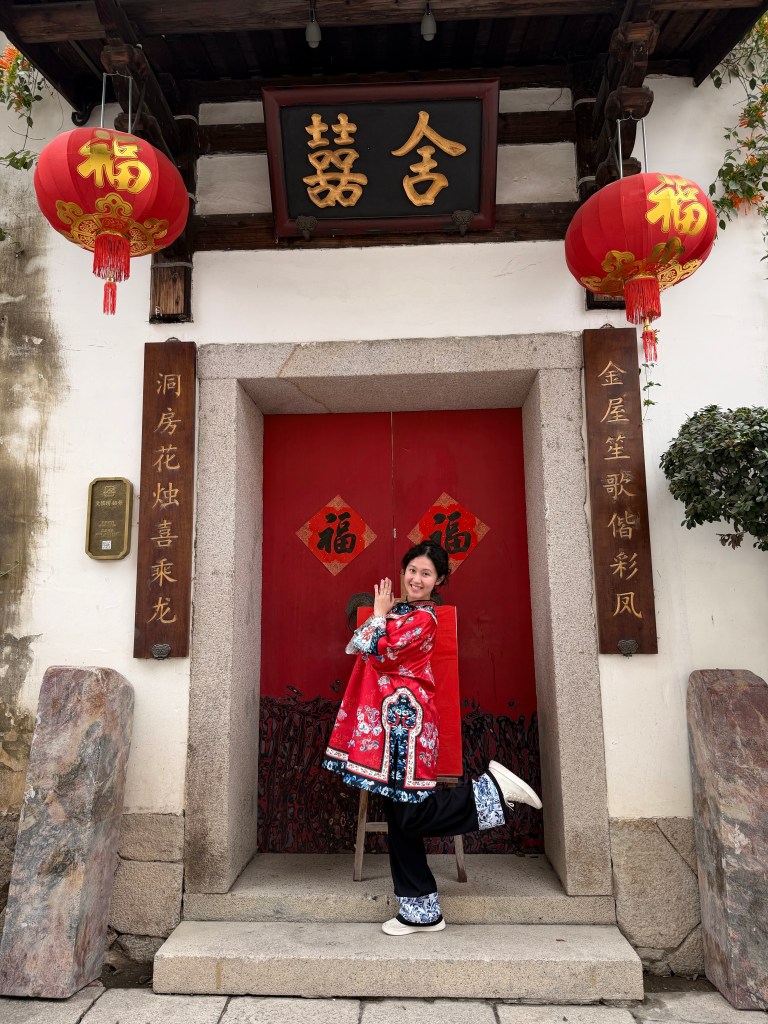
In February I traveled for the first time to Fujian—a province best known as 1) the ancestral home for millions of overseas Chinese, in Singapore and Chinatowns worldwide; 2) its geographical (and cultural) proximity to Taiwan. For politics nerds, Fujian is also where Chinese President Xi Jinping rose to power in his early thirties. He spent close to two decades in the province, from Xiamen to Ningde to Fuzhou, ascending from deputy mayor of a city all the way to governor of the whole province.
I’d picked Fujian for fun, in part due to RedNote recommending me countless videos of temple-hopping in Quanzhou—once upon a time known as Zaiton, the greatest port in the world, the beating heart of the Maritime Silk Road.
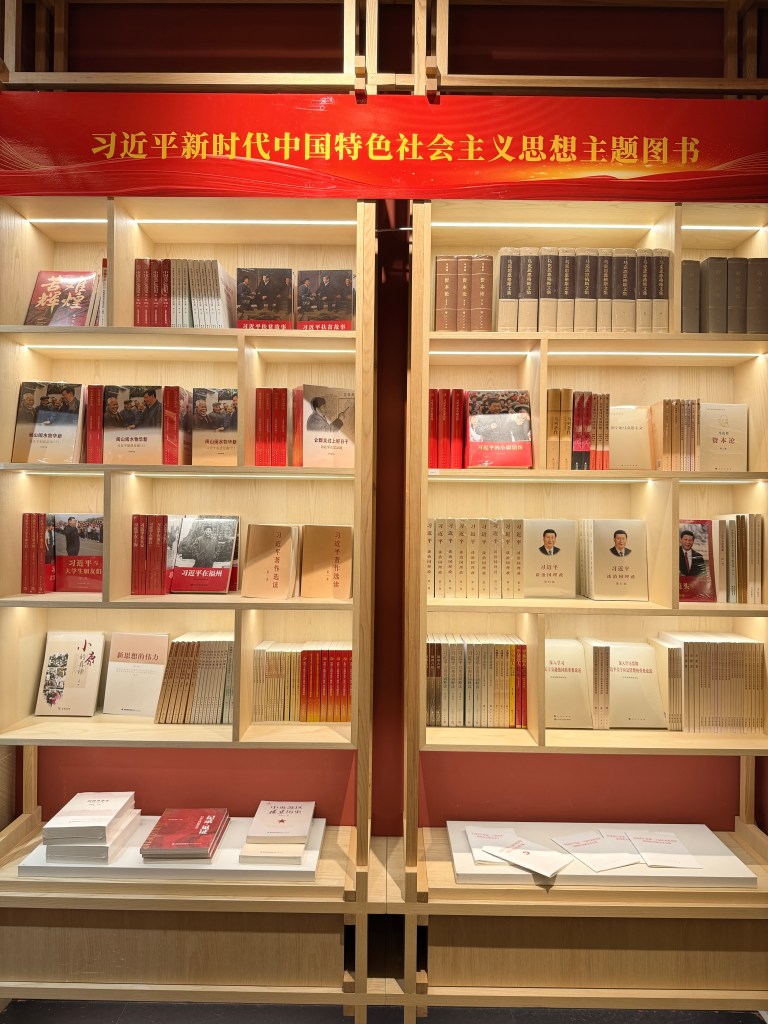
But wandering around four cities in Fujian over the a week and a half, I was struck by how much it carries the imprint of Xi and in turn shapes his worldviews. Photos of him, his biographies, and his sayings lined the exhibition walls of several Fuzhou museums—the city itself like a living, breathing microcosm of Xi Jinping Thought. Fuzhou was also a masterclass in patriotism. Most of the winding lanes and alleys in the well-preserved Sanfang Qixiang housed the old homes of famous late Qing national heroes like Lin Zexu (whose statue stands in Manhattan Chinatown), Yan Fu (military officer cum translator of numerous Western texts), and Lin Juemin (revolutionary martyr). The late Qing period coincides with a time of national decline, foreign imperialism, and lost sovereignty due to backwardness, which China dubs “the Century of Humiliation.” The lessons are, no doubt, deeply imprinted on Xi’s mind.
Tech?
The trip also revealed the jagged development of technology. The cities felt incredibly ancient, worn-down, and modern all at once. High-tech and low-tech coexisted in harmony. Even buzzwords like “AI” and “digital economy” become earthier, more grounded, more grassroots in a chaotic, teeming place like China.
Below are some interesting tech artifacts with a zany energy I haven’t seen in a while since Huaqiangbei circa 2000s.
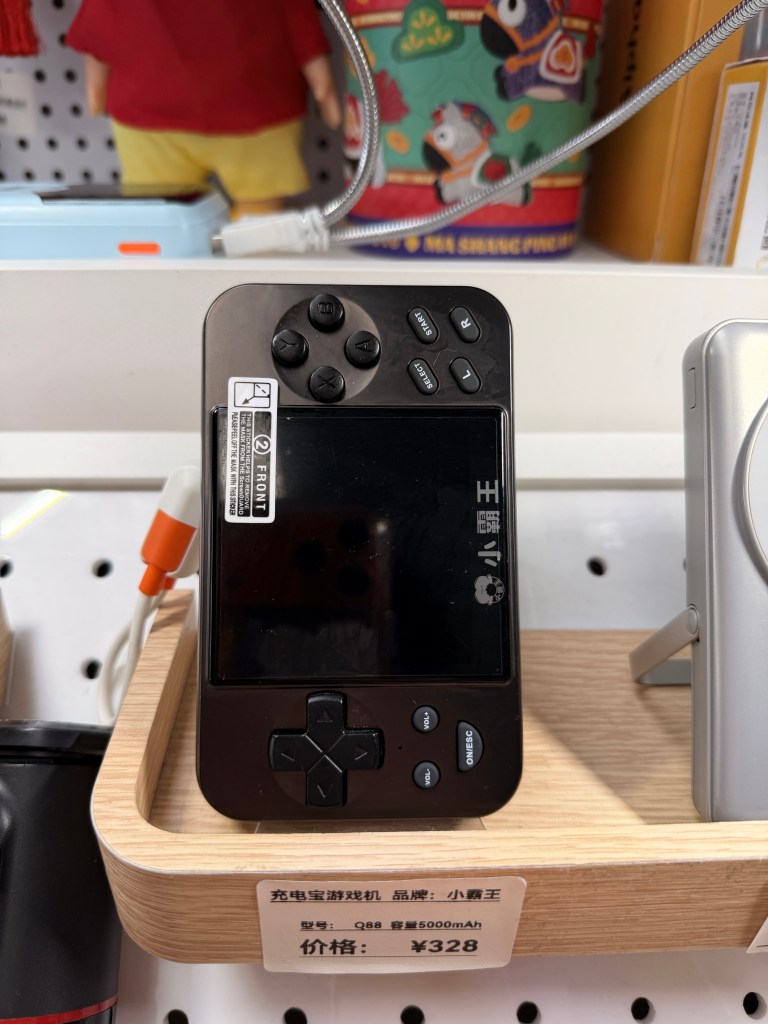
A gameboy portable charger:
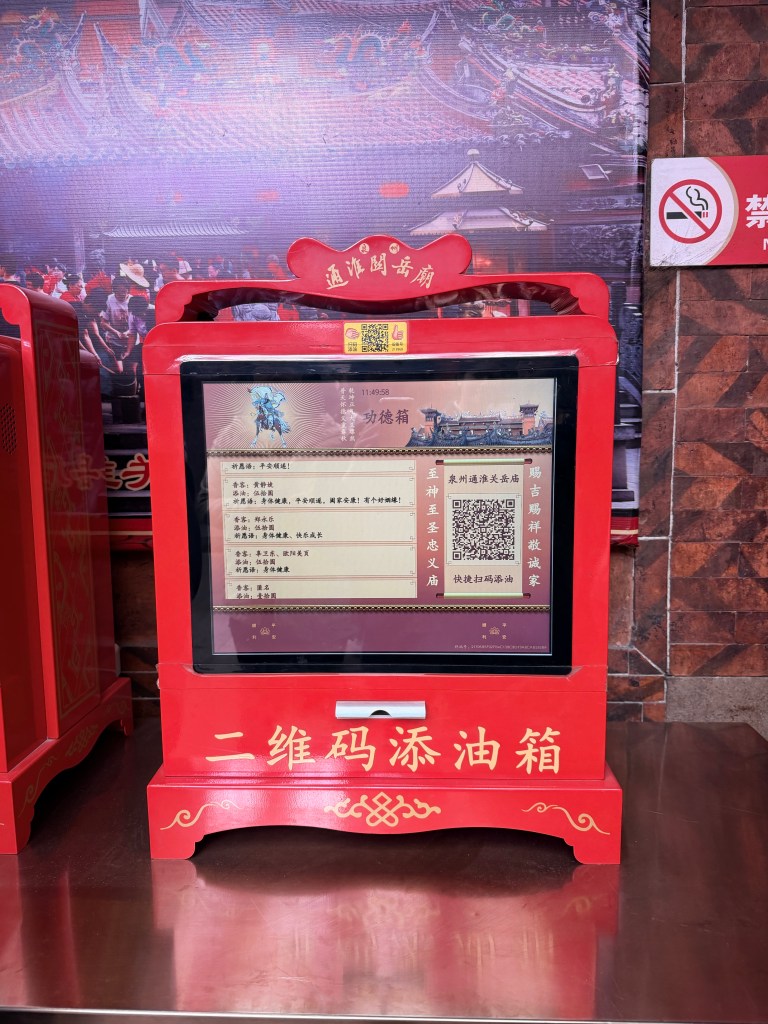
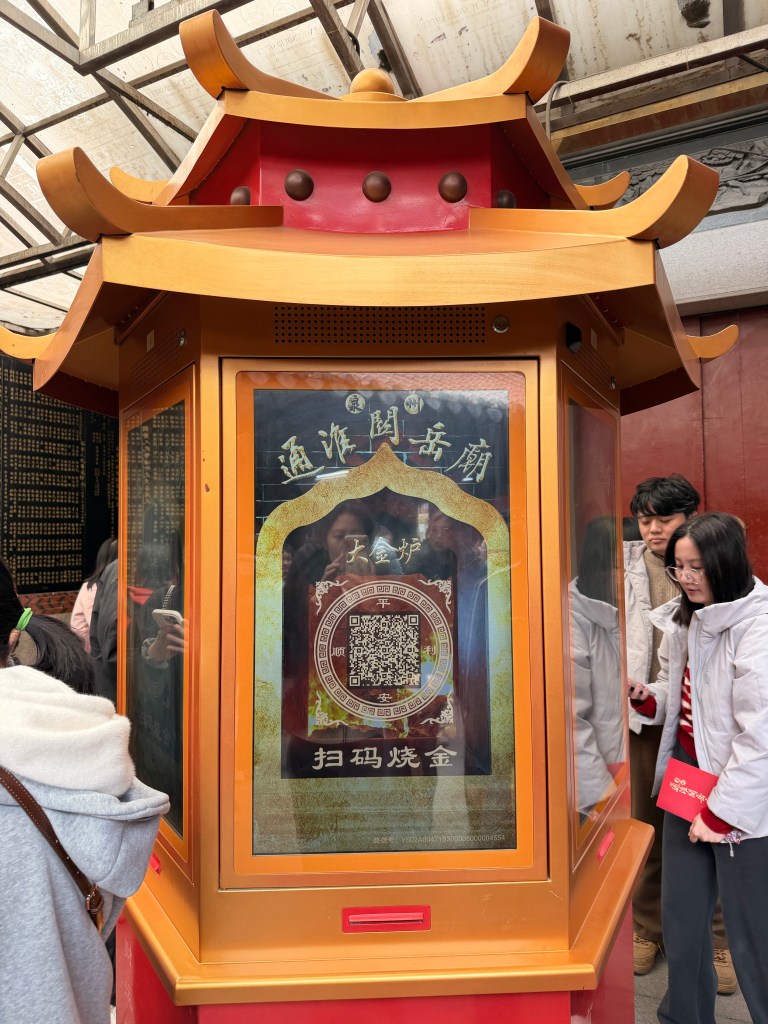
Digital incense contributions via QR code at various temples:
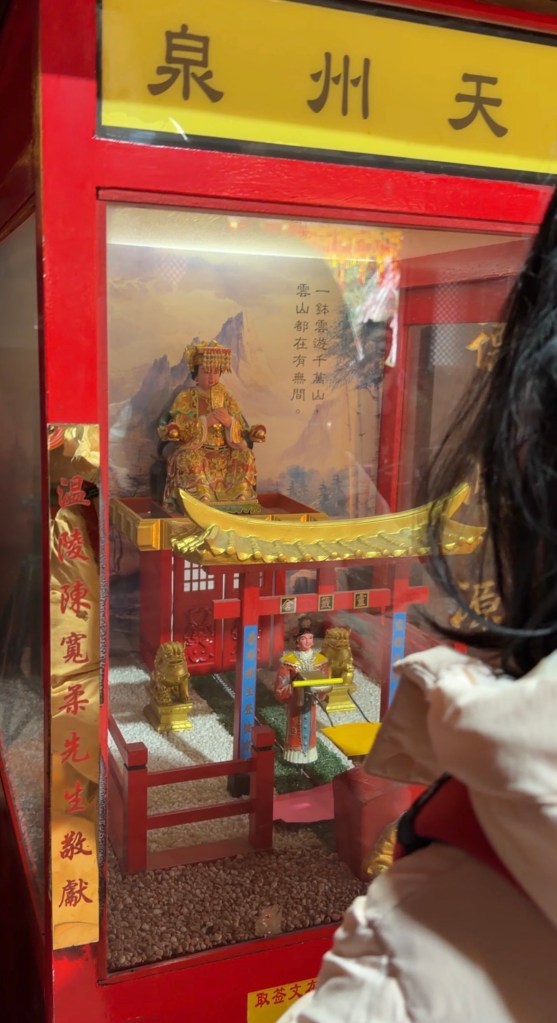
Fortune sticks (求签) dispensed by an automated, moving celestial statue:
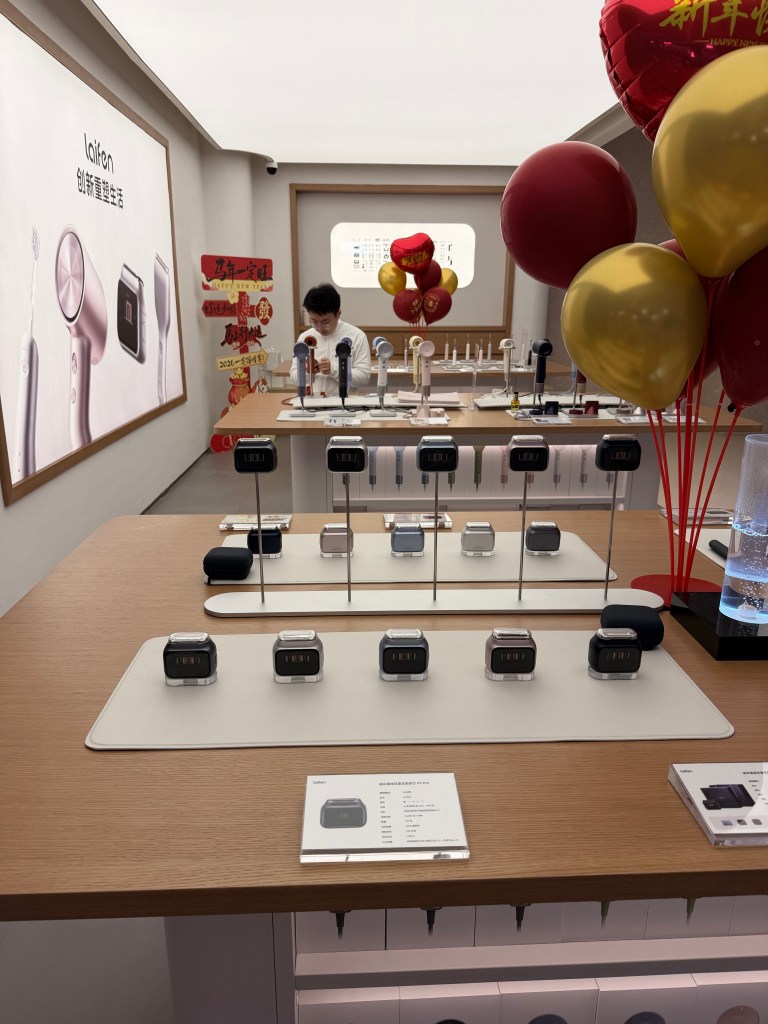
Fancy Airpod-looking hairdryers and shavers:
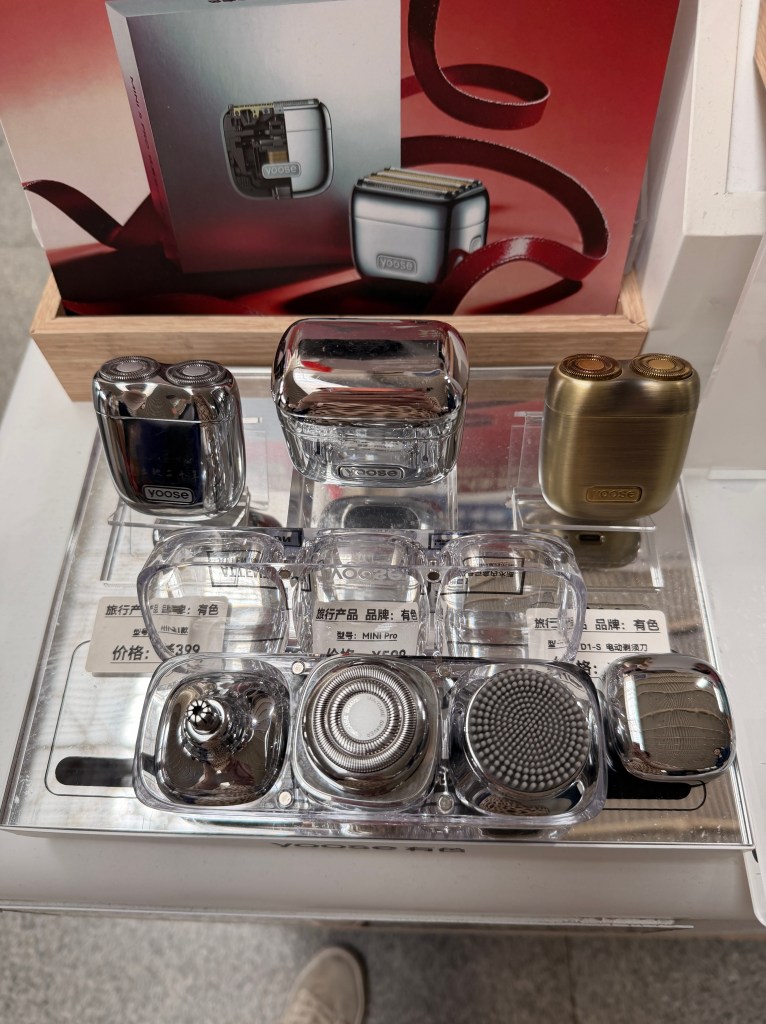
Three-in-one shaver, nose hair trimmer, and massage!
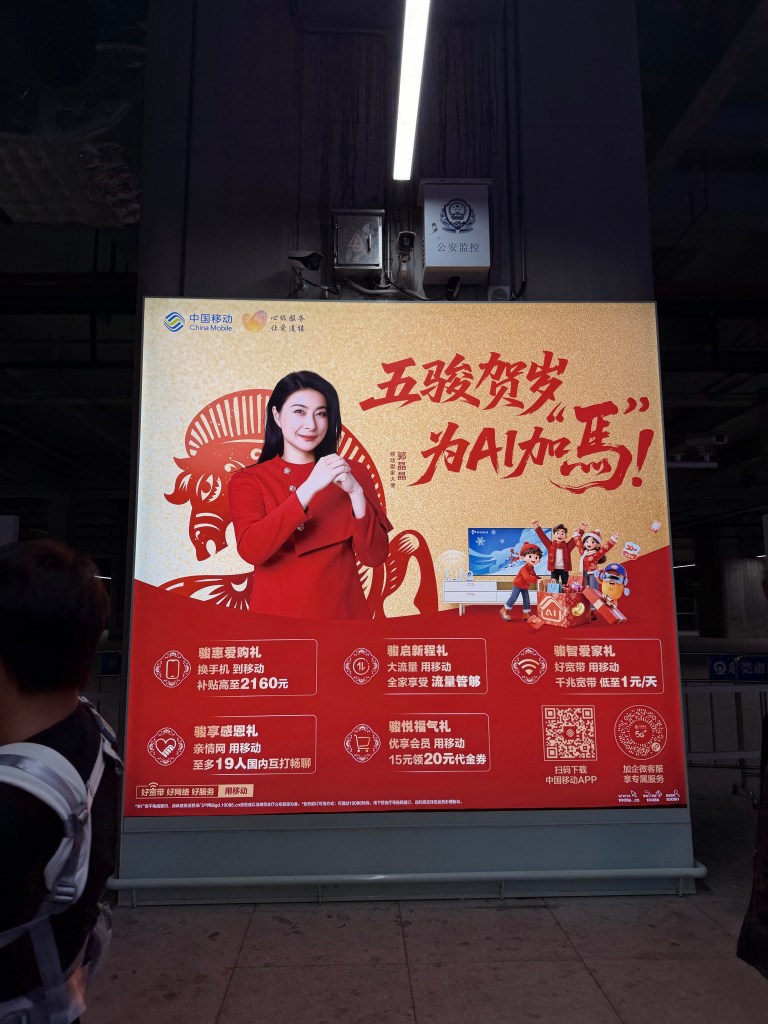
China Mobile putting AI on their advertisement for fun (featuring former Olympic springboard diver Guo Jingjing):
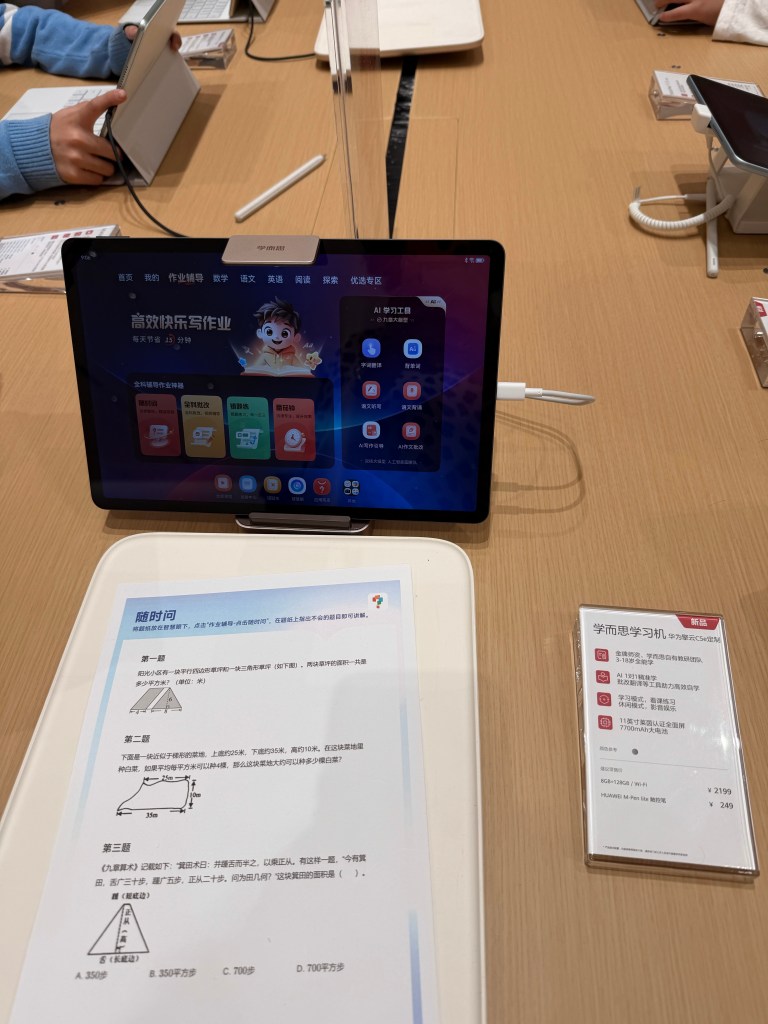
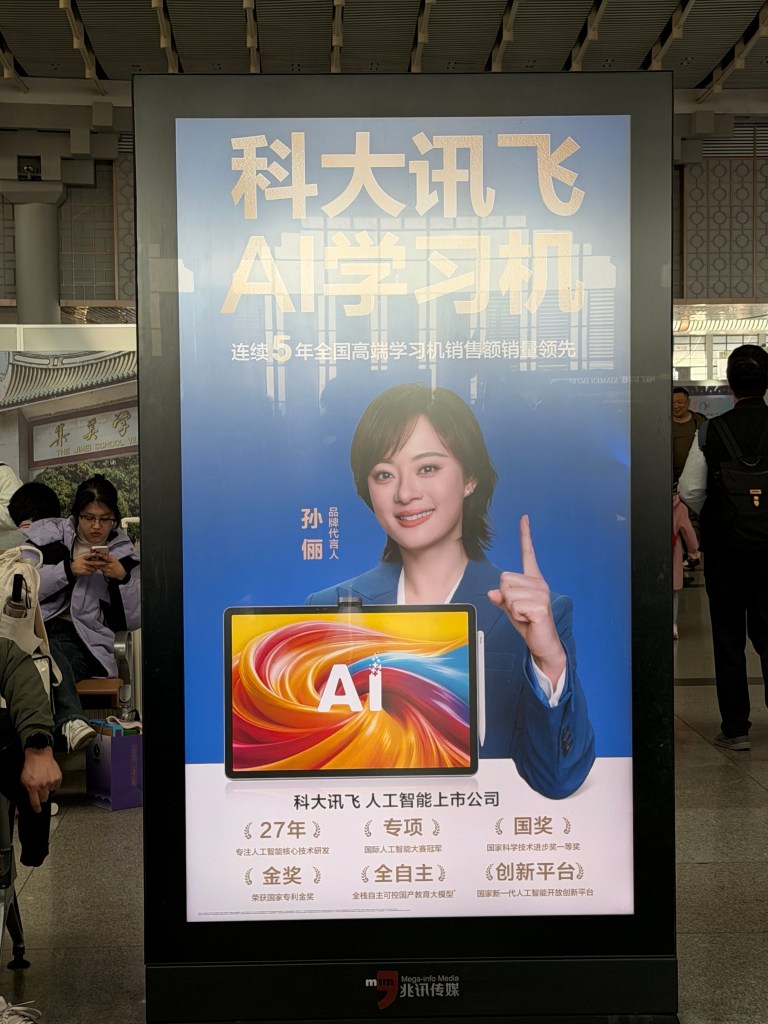
Lots of tablets for helping kids with homework. I played with one for learning English and it was pretty engaging:
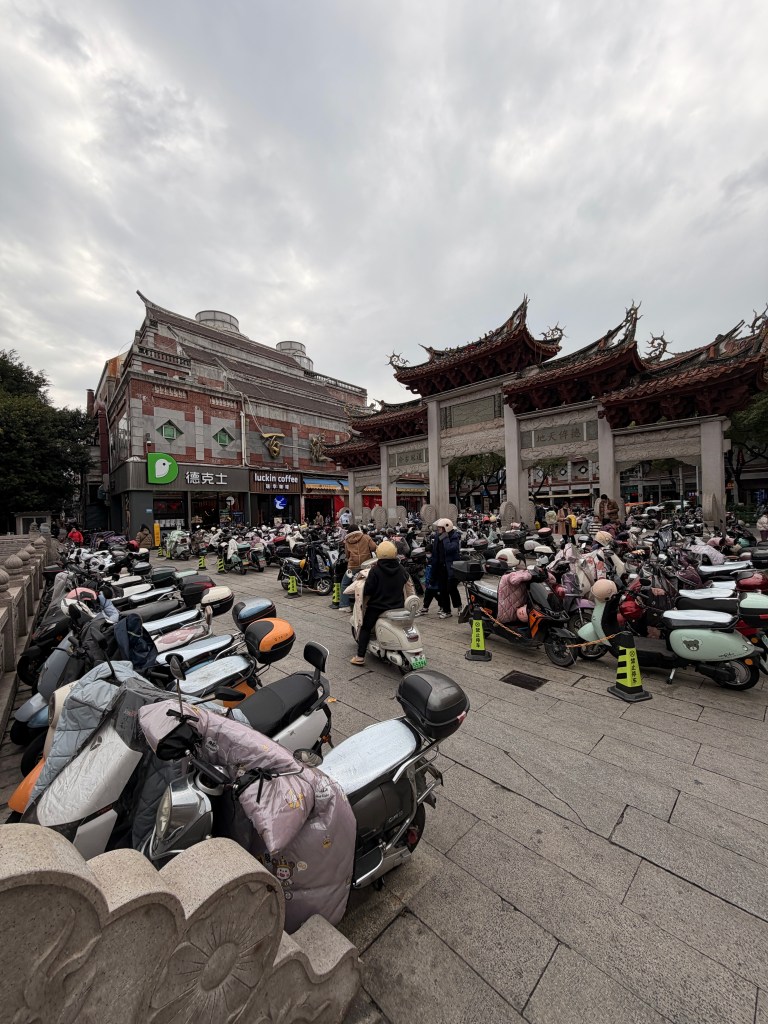
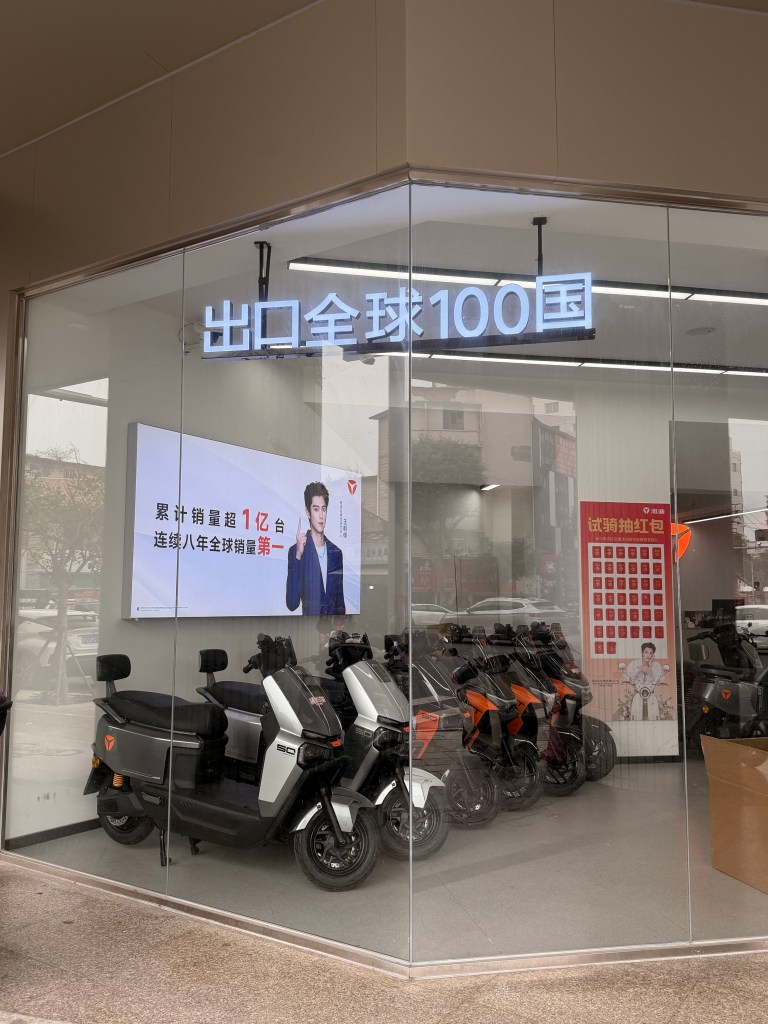
Electric bikes are EVERYWHERE. The highest risk of death was from being mowed down by a two-wheeler. They zoomed, skirted, careened past me by a whisker’s breadth. A driver took pains to correct me when I accidentally called his bike a motorcycle. “It’s electric,” he said sassily. “Very green and quiet.”
Yadea (which sounds awfully similar to BYD without the B when you pronounce it in Chinese) dominates. It’s the world’s top manufacturer and exporter of e-bikes — to a whopping 100 countries as its store proudly proclaims. The brand ambassador has also changed from Vin Diesel (I’m not joking) to Wang Hedi, a fresh-faced idol-turned-actor known for his Sichuan accent.
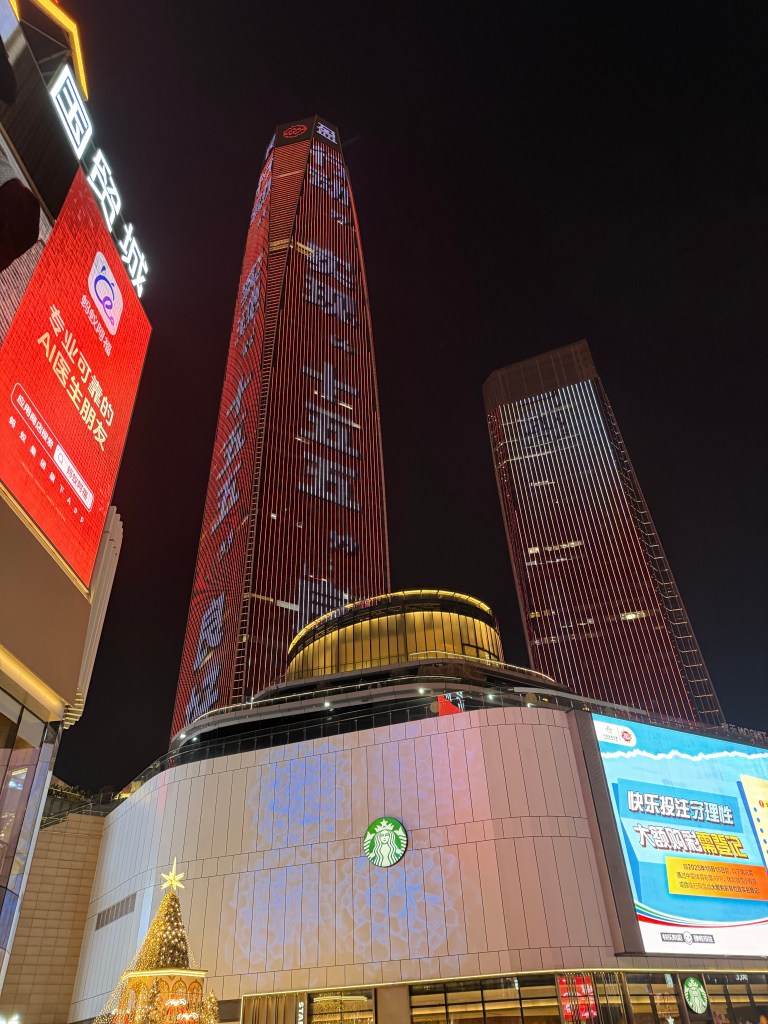
Capping this off with a skyscraper whose exterior displays a light show extolling Party slogans about achieving the 15th Five Year Plan. Beside it the mall is decked with ads for AI doctors and a giant Starbucks storefront. Welcome to China ❤️


 Selina Xu
Leave a comment